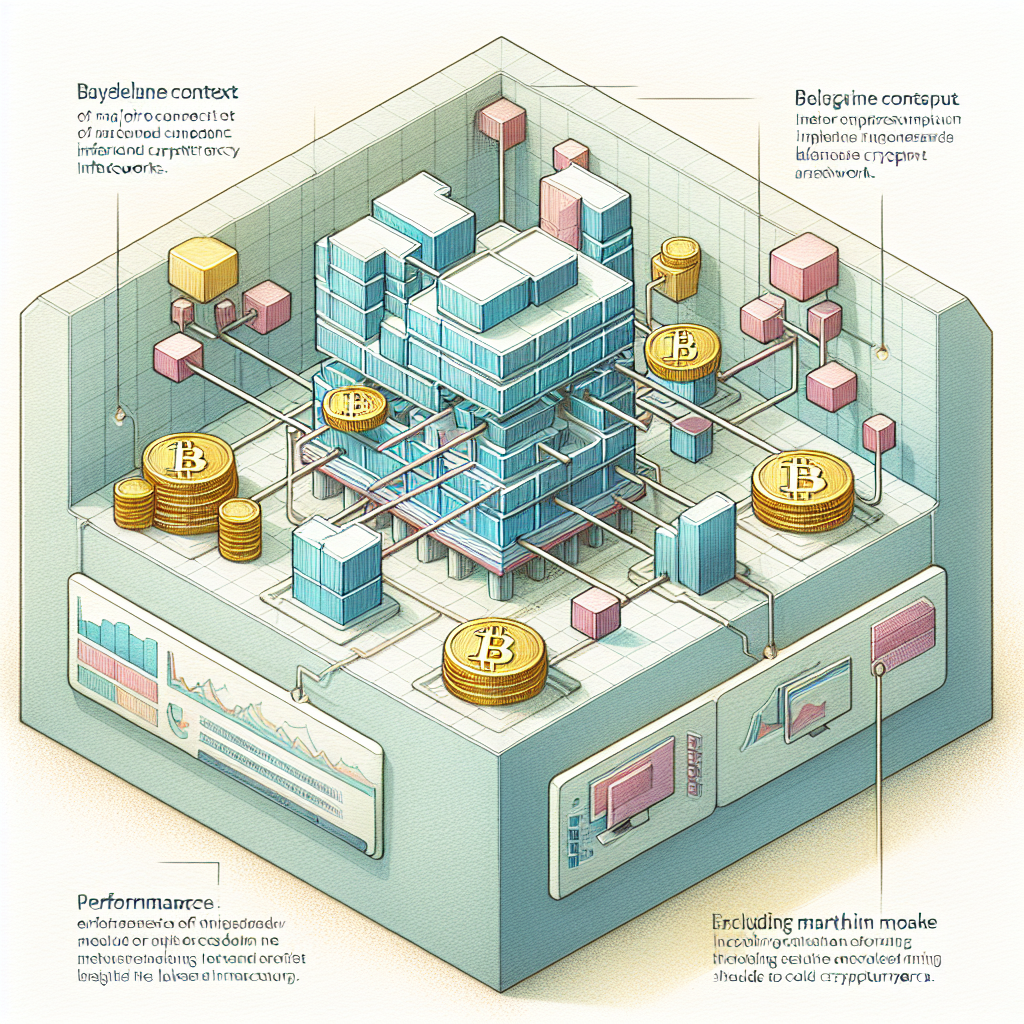
Solana network activity matters now because cost and speed directly shape user access and perceived risk across exchanges and wallets. The Layer 1 ecosystem sits alongside Bitcoin and Ethereum in popularity rankings, while institutions assess network capacity against shifting global headlines. Within this environment, Solana’s transaction capacity and fee profile influence capital rotation and developer focus. Investors and active users should track activity where cost and speed visibly converge.
Technical and Industry Structure Analysis
Speed advantages within Solana depend on optimized throughput and internal performance efficiency, both tied to validator design. The network processes transactions in parallel, aiming to enhance scalability without proportionally increasing gas/fees (transaction costs); users can verify this by checking average fee levels on explorers. Compared to older settlement networks, block finality is typically faster, and the implication is improved user experience for trading applications.
Security considerations center on validator distribution and client diversity, affecting both security and operational resilience, while cross-network tools expand interoperability through bridges and wrapped assets. Observing validator count trends offers a practical signal of decentralization strength. For investors, evaluating how performance efficiency interacts with scalability and security metrics remains essential.
- Monitor throughput shifts during volatility
- Track gas fee stability across peak hours
- Review validator growth and uptime
- Assess interoperability bridge usage

Coin Trends and On-Chain Metrics
Liquidity flows around Solana correlate with visible changes in transaction volume (total value transferred) and rising active addresses (unique daily users). For remittance scenarios, lower fees make small transfers economically feasible, especially when network activity remains smooth. Traders can confirm momentum by reviewing daily active addresses and spot market turnover. Growth in active addresses often signals expanding retail participation. Monitor transaction volume trends for shifts in liquidity depth.
Yield opportunities influence capital retention as Solana maintains sizable staking participation and competitive validators distribution. In savings scenarios, delegators compare staking yields with centralized alternatives to reduce custody risk. A stable validator set underpins consistent performance efficiency and supports predictable confirmation times. Observers can check staking ratios directly on dashboards. Stable staking participation reflects longer-term capital commitment.
Fee structures shape user behavior as Solana applications generate visible TVL (total value locked) and evolving liquidity pools. For payment use cases, predictable gas expenses assist merchants in quoting prices without wide buffers. Cross-chain bridges channel assets between ecosystems, while aggregate network activity indicates demand for decentralized exchanges and lending protocols. Users can compare TVL changes week over week for directional clues. For investors, sustained TVL expansion alongside stable gas metrics may justify closer evaluation.

Market Technology Trends and Outlook
Risk management frameworks increasingly integrate Solana exposure as institutions weigh scalability and security against shifting policy debates. Capital allocation patterns reveal gradual institutional flows into higher throughput networks, while discussions around regulatory clarity influence custody and compliance planning. Compared to smaller Layer 1 competitors, Solana maintains broader market breadth, and the implication is stronger developer gravity during expansion cycles.
Interoperability efforts across ecosystems aim to balance scalability with governance standards, reinforcing operational resilience. For investors, assessing policy shift signals alongside market breadth and institutional flows can refine allocation strategies.
Leave a Reply