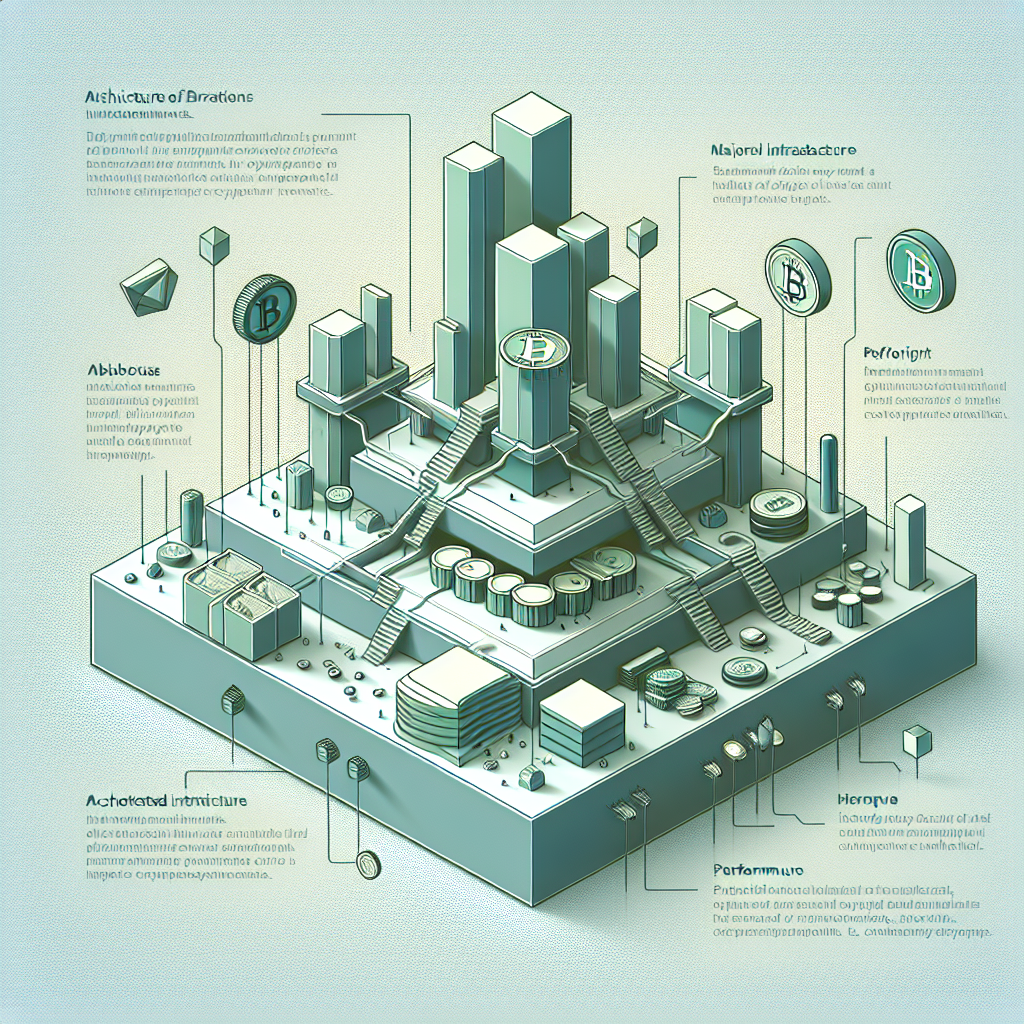
BNB matters now because cost discipline and access to blockspace directly shape user experience and risk exposure across exchanges and DeFi. Lower cost and predictable speed influence daily transfers and smart contract use, especially as market participation broadens. With trading venues and decentralized applications expanding, BNB’s role inside the BNB Chain ecosystem ties token demand to structural usage rather than short-term narratives.
Technical and Industry Structure Analysis
Speed defines competitiveness, and BNB relies on throughput as transaction throughput capacity to maintain responsive confirmation times. Its architecture emphasizes performance efficiency through streamlined validator coordination, aiming to reduce congestion under peak demand. The network balances validator incentives with security safeguards, limiting disruptive forks while keeping block intervals stable.
At the base layer, improvements in parallel execution support practical scalability, while cross-chain messaging enhances interoperability between connected ecosystems. Users can directly observe average gas/fees on leading explorers to gauge real-time congestion. Higher validator participation tends to reinforce resilience during volatile trading windows. For investors, structural metrics such as validator count and block time stability clarify durability signals. Monitor structural indicators before reacting to price shifts.
- Track validator distribution and uptime consistency
- Monitor gas/fees during peak transfer periods
- Review cross-chain bridge throughput stability
- Compare block interval variance over time

Coin Trends and On-Chain Metrics
Access to savings tools shapes engagement, and BNB integrates utility with measurable TVL as total value locked across DeFi protocols. Rising TVL often aligns with expanding liquidity in lending pools and decentralized exchanges, supporting tighter spreads. Daily transaction volume reveals how actively capital circulates beyond speculative holding.
For a remittance scenario, users seeking lower transfer fees may compare gas/fees trends before sending stablecoins. Active addresses signal user base breadth, while consistent network activity reflects practical usage diversity. Compared to privacy-oriented chains experiencing episodic speculation, BNB Chain displays steadier retail interaction, implying usage-led stability. For investors, tracking TVL and active addresses together helps evaluate network stickiness. Review these metrics weekly to detect participation shifts.
Speed of execution influences trading strategy, and derivatives venues utilizing BNB often correlate with changes in on-chain throughput. Elevated staking participation reduces circulating supply pressure, while distributed validators enhance block production predictability. Bridge usage across external networks can be monitored through aggregated bridges statistics, highlighting capital mobility.
In a payment scenario, merchants accepting tokens may prioritize chains with stable gas/fees patterns to limit cost unpredictability. Sustained growth in DEX transaction volume supports durable liquidity cycles. For investors, observing staking ratios alongside validator expansion clarifies yield sustainability. Assess whether throughput growth parallels actual payment flows.
Cost management remains central, and BNB burn mechanisms interact dynamically with transaction volume and exchange activity. Periodic supply reduction aims to offset emissions from validator rewards, creating measurable shifts in circulating supply. Analysts often cross-check network activity with burn-adjusted issuance to determine effective inflation trends.
For a fee reduction scenario, traders monitoring DEX data may time swaps during lower congestion windows. If active addresses climb while throughput remains stable, performance efficiency gains may be implied. Long-term holders can evaluate burn rates relative to staking output when mapping supply dynamics. Compare monthly burn data with transaction volume changes.

Market Technology Trends and Outlook
Risk evaluation dominates allocation decisions, and BNB operates within shifting regulatory clarity frameworks affecting centralized exchanges and token issuance. Broader policy shift discussions around exchange oversight indirectly shape token demand inside integrated ecosystems. Simultaneously, cross-chain interoperability improvements may redefine competitive boundaries as users move capital fluidly.
Market breadth across large-cap assets shows rotation patterns that affect liquidity concentration. Enhanced compliance standards on major trading platforms could reinforce institutional comfort with ecosystem-linked assets. For investors, measuring governance transparency and regulatory positioning supports disciplined allocation choices. Monitor compliance signals and interoperability progress consistently.
Leave a Reply