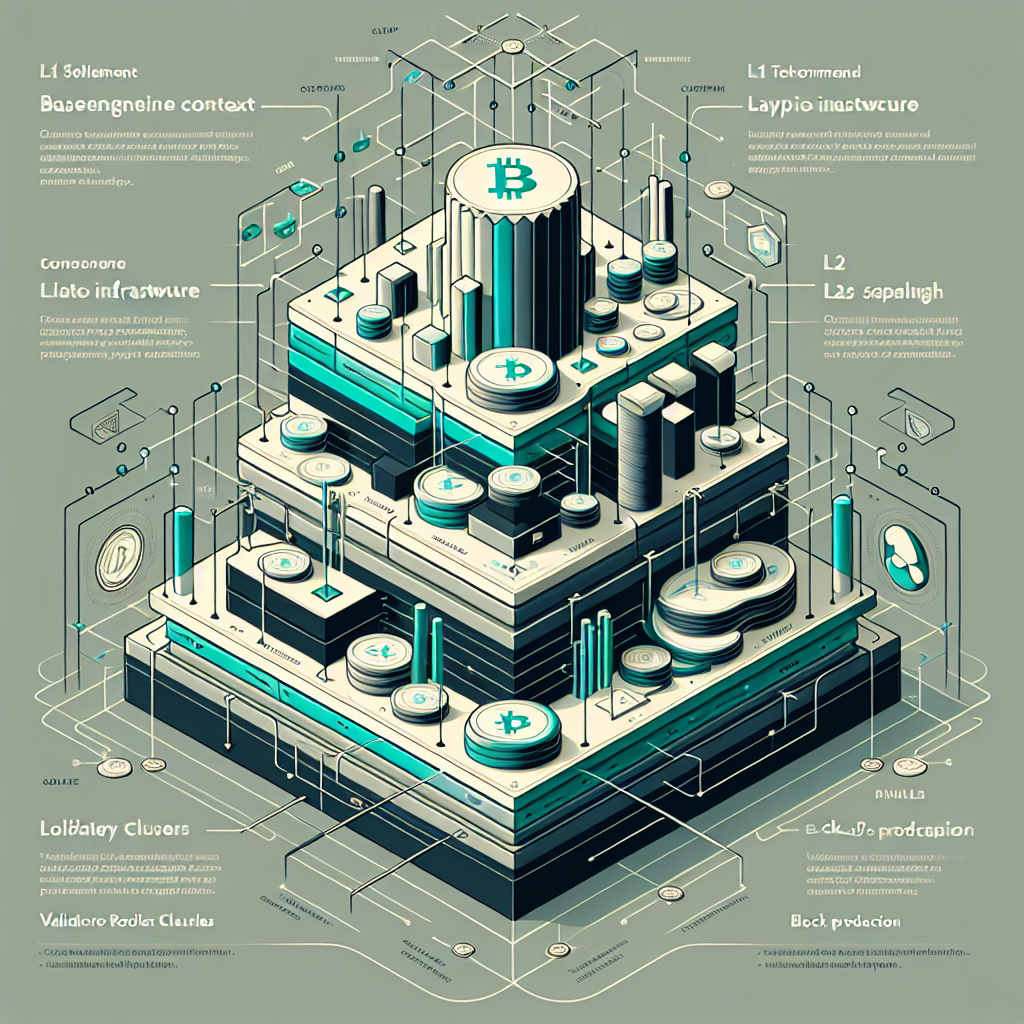
Bitcoin remains central because cost and risk conditions across digital assets influence portfolio decisions immediately. Bitcoin price behavior continues to anchor broader crypto sentiment while access to stable liquidity shapes trading depth. As volatility compresses near key technical zones, investors increasingly monitor derivatives positioning and spot flows together. Active traders often track daily transaction volume as a quick gauge of network engagement. Market direction often starts with Bitcoin stability.
Technical and Industry Structure Analysis
Speed and security define the competitive baseline for crypto networks, where throughput (transaction throughput capacity) and performance efficiency determine user experience. Bitcoin prioritizes security over raw speed, while newer chains emphasize scalability and interoperability to expand application layers.
For users comparing cost efficiency, average gas and confirmation time remain practical indicators to review. Structural resilience continues to outweigh short‑term speed advantages.
- Monitor throughput changes across fee environments
- Track validator distribution for decentralization signals
- Review scalability trade-offs in congestion periods
- Assess interoperability pathways between major hubs

Coin Trends and On-Chain Metrics
Liquidity conditions influence volatility as Toncoin records expanding transaction volume and higher network activity across wallet cohorts. Growth in active addresses (unique sending or receiving wallets) signals rising participation, while stable staking ratios reflect committed capital.
For everyday remittance use, users may compare gas costs before transferring value internationally. Compared to Bitcoin, Toncoin’s shorter block intervals imply faster settlement, which suggests utility‑focused positioning. For investors, tracking active addresses alongside transaction volume can clarify whether engagement supports price strength. Strong participation trends deserve continuous monitoring.
Volatility and yield expectations shape behavior around Monero, where liquidity conditions and transaction volume reveal privacy‑driven demand cycles. Consistent network activity combined with steady validators participation supports operational continuity without sharp fee spikes.
For private payments, users often review current gas levels to estimate transfer cost before sending funds. Relative to Toncoin, Monero demonstrates lower visible address transparency, which implies different analytical constraints for traders. Active traders may evaluate liquidity depth with transaction volume before adjusting exposure. Privacy demand trends require disciplined metric review.
Access to mainstream payments elevates PayPal USD within stable asset discussions, particularly as liquidity pools and reserve transparency shape confidence. Stable TVL (total value locked) across custodial integrations indicates predictable settlement pathways, while moderate transaction volume shows steady usage.
For savings strategies, users may check circulating supply growth to gauge issuance pace. Observing gas stability during high transfer periods helps estimate operational efficiency. Long-term holders can assess TVL trends together with transaction volume to understand demand persistence. Stable liquidity signals remain central to risk control.

Market Technology Trends and Outlook
Risk management increasingly depends on evolving policy shift dynamics and clearer regulatory clarity across jurisdictions. Institutional desks are refining compliance procedures while seeking diversified exposure that balances security and efficiency.
Broader market breadth expansion appears when liquidity rotates beyond flagship assets into payment and privacy segments. For investors, evaluating regulatory clarity alongside liquidity indicators may improve strategic allocation timing. Measured assessment remains essential in changing policy environments.
Leave a Reply